
The Aeon project: reflections on eternity
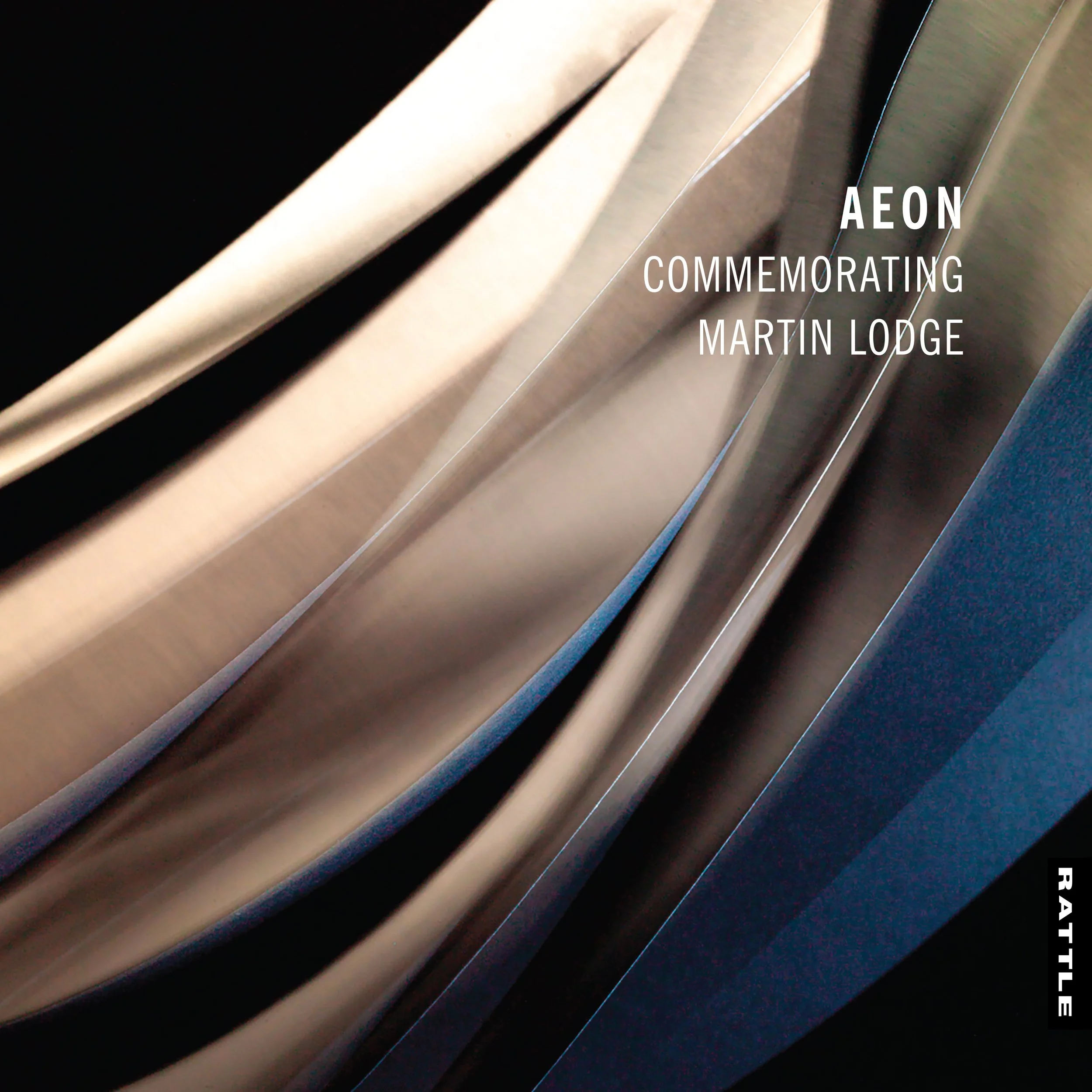
A very special concert was held in April last year at the Gallagher Theatre at the University of Waikato. A celebration of the life and music of composer Martin Lodge, it was the result of a project called Aeon, a group of short works composed and performed by Lodge's friends and close associates as both personal tributes and a final gift to a beloved colleague. Just a few months earlier, in December 2024, Lodge had died of the aggressive brain tumour that had been diagnosed in July 2022.
This just-released album is a recording of that moving concert. The title, Aeon, comes from Lodge’s request to a group of composers to create a short ‘reflection on eternity’. He was inspired by a quote from Shakespeare’s Hamlet, from Gertrude, Hamlet’s mother: “…all that lives must die, passing through nature to eternity.”
Six senior composers, John Psathas, Eve de Castro-Robinson, Michael F Williams, Kenneth Young, Gillian Whitehead and Lodge himself created ‘reflections’ for soloists or chamber ensembles. Each reflects its composer’s unique language and expression, and together the six works form a marvellous collection of deeply-felt and richly passionate music eloquent with tenderness, loss, anger and peaceful resolution – the many voices of grief.
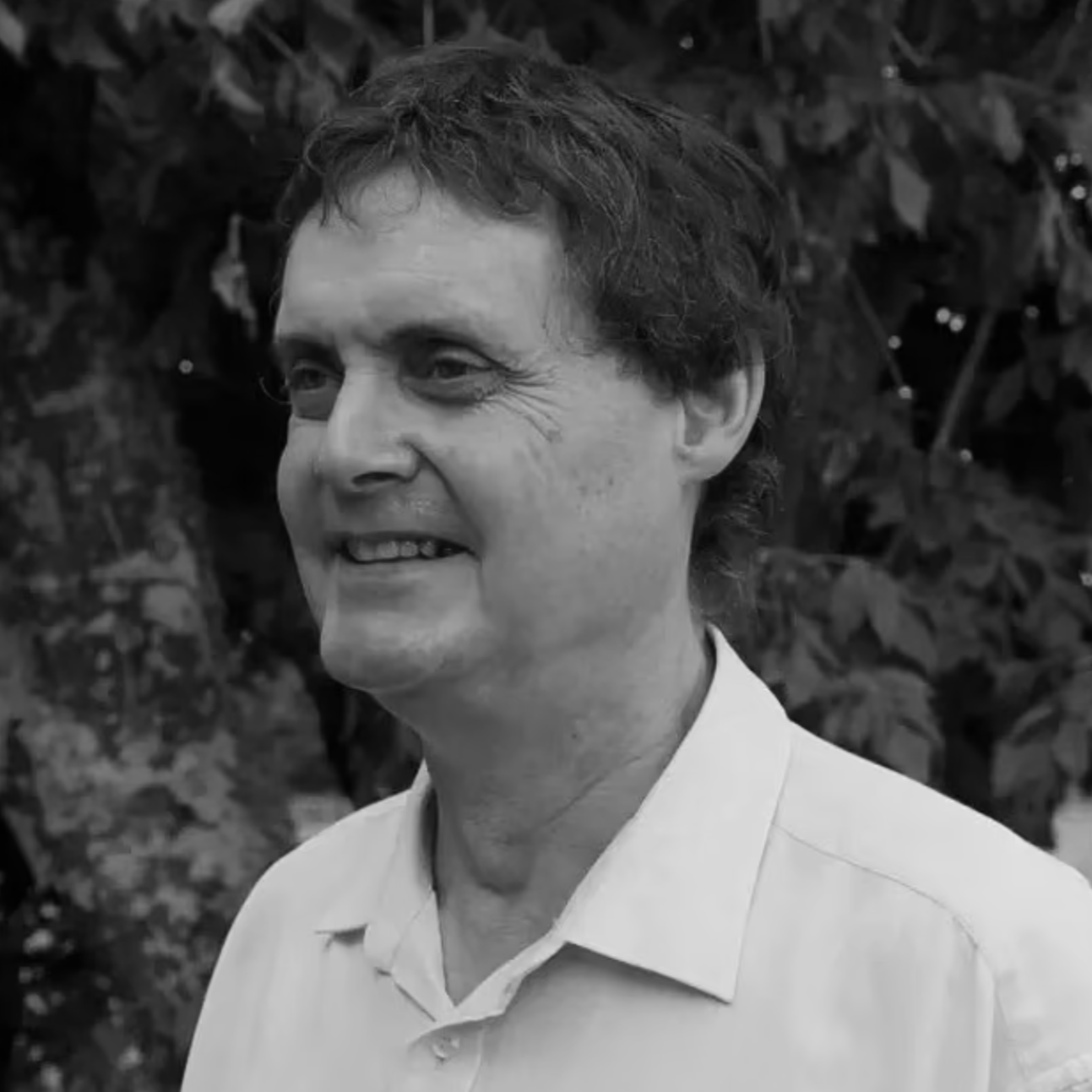
Composer Martin Lodge (1954-2024)
“…six senior composers created ‘reflections on eternity’ to honour his life and music.”
In the 1980’s, I was teaching history and analysis of 20th century music at Victoria University when Lodge moved to Wellington to study composition with Douglas Lilburn, David Farquhar and Ross Harris. We became friends and colleagues. I was often struck by his quiet, clever sense of humour and his thoughtful interest in how music was constructed. At the end of his Wellington years, I remember his beaming smile when he came to my office to announce delightedly “I’m the Mozart Fellow!” (I had been a referee for his application for the Otago Fellowship.) It was perhaps an important affirmation for someone who had begun composition studies relatively late in his musical education. He held the Fellowship in 1990 and 1991 and while in Dunedin reconnected with taonga pūoro musician Richard Nunns.
Following a PhD in Composition at the Sydney Conservatorium, he returned to Waikato University (where he had studied English literature to Masters level) to teach in the music programme. He played a major role in the development of the music department and its offering from undergraduate to doctoral studies. Collaborating with Dr Hirini Melbourne and others, he created a programme that combined the Western classical tradition with studies of Māori music and popular music. He was also instrumental in the acquisition by the university of a significant collection of traditional instruments, Te Kohinga Taonga Pūoro. He was Waikato’s first Professor of Music, awarded the title of Emeritus Professor on his retirement.
For the Aeon project, some of the composers turned to poetry for inspiration. Psathas, whose work for string quartet and piano opens the album, chose a “death haiku” by Japanese poet Saikaku, using a translation of the poem as his title. I borrow moonlight for this journey of a million miles is strong, intense and repetitive, the piano part carrying the melody and accompaniment initially while the string quartet creates a web of sound, a unified buzz of complexity. The roles then shift, strings taking over the thematic role as a group or soloists, the piano thoughtful in accompaniment, the whole work fading out gently.
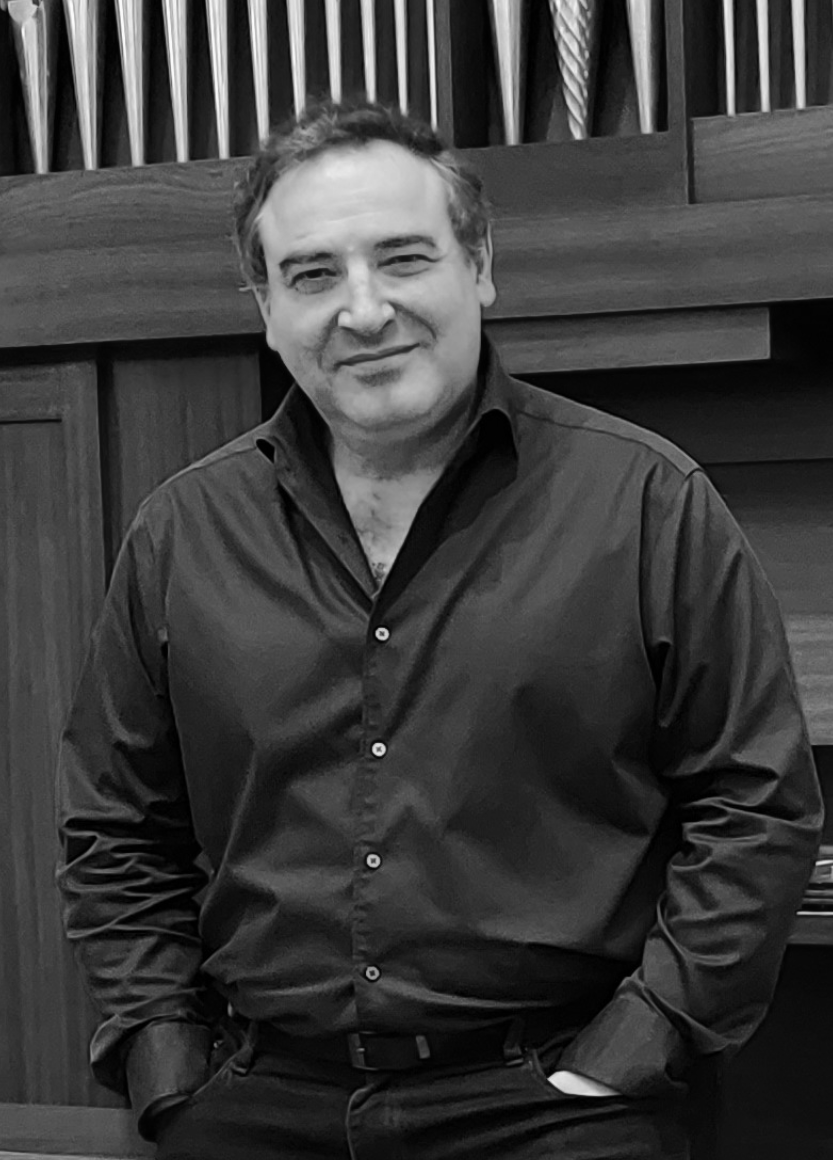
Composer John Psathas
“…the name of his composition is a translation of a ‘death haiku’ - I borrow moonlight for this journey of a million miles.”
De Castro-Robinson’s the night-sea sobbing takes its title from Hone Tuwhare’s poem Nocturne. Further inspiration came from a story Lodge had told her in 2024 about finding a small, dark ruru (morepork) in his kitchen. He believed it was an owl spirit acting as kaitiaki, perhaps his former colleague, the late Hirini Melbourne, welcoming him. The solo work expresses pain, beauty and homage, played with passion by cellist Ashley Brown. The quiet ruru calls at the end are very touching, eventually dying away.
Williams was Lodge’s colleague, teaching music alongside him at Waikato University. He welcomed the opportunity to write a work for his friend, calling it Ascension and evoking the Buddhist concept of Dukkha, related to suffering and impermanence. The evocative sounds of Tibetan bells open the work, a weeping solo cello joined by other strings. Ascension for string quartet and bells is in three linked sections, and the pace picks up for the second, strings chugging with a wild, repetitive melody above, dynamics shifting and the solo cello line returning, deep and falling downwards. The bells return, and from a sustained texture the lines begin to ascend, leading to a final chorale theme. The hymn-like ending, ethereal in higher registers, is described by Williams as “a prayer, a reflection on the nature of Aeon”. It’s a beautiful and thoughtfully constructed work, ending as it began with the bells alone.
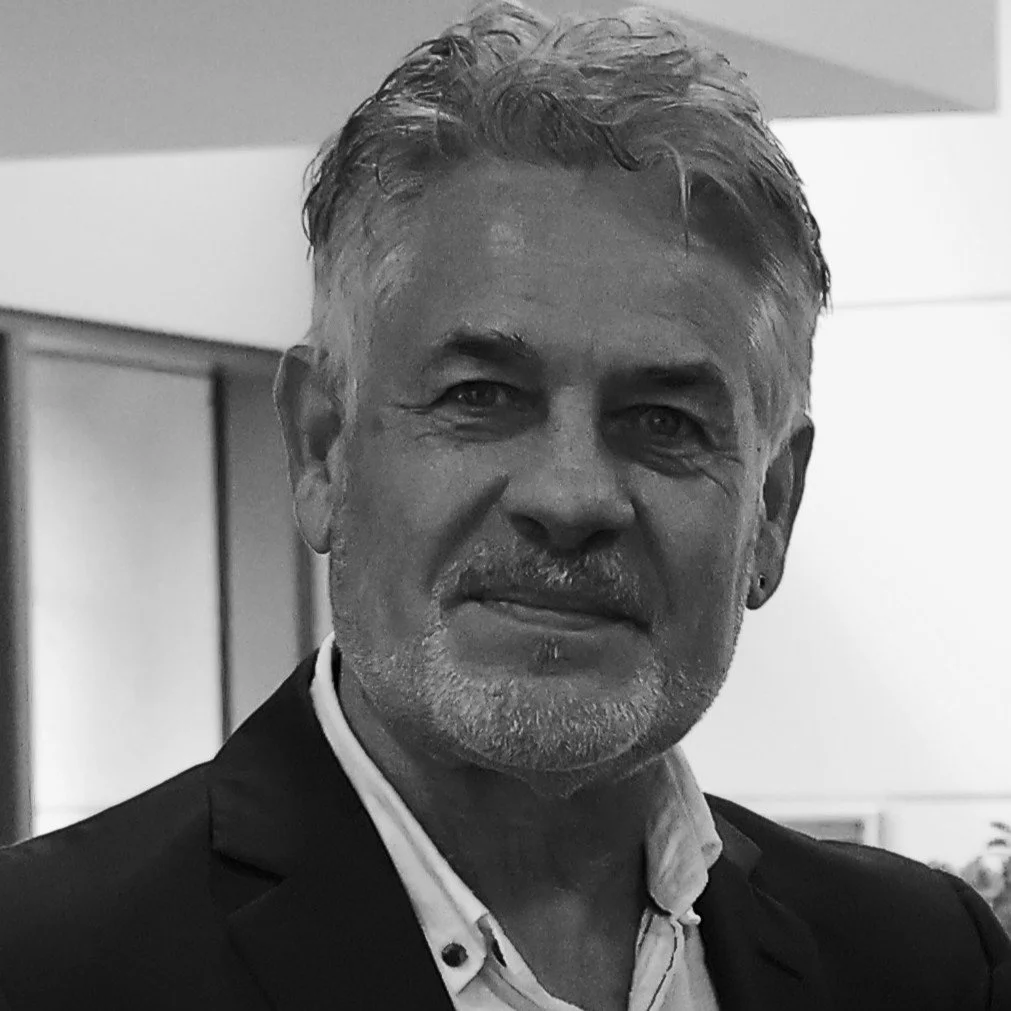
Michael F Williams
“…composer colleague of Lodge’s at the University of Waikato.”
New Zealand-born flutist Tessa Brinckman, based in New York City, returned to perform in the Aeon concert. Her role in the Aeon project was more seminal, however – it was she who began work on the concept, working with Lodge in January 2024 while staying with him and his wife Gail Pittaway in Hamilton on one of her visits to Aotearoa. Their friendship began earlier, and in 2017 Lodge had invited Brinckman to the University of Waikato as an Academic Visitor, working with students and staff. Lodge wrote music for her that year and although he was very unwell for her 2024 visit, she encouraged him to develop a visual score for a work in several parts. When he was unable to complete the composition, his composer colleagues were invited to create the works that became Aeon.
Composer Kenneth Young called his work for his friend Adieu. Composed for solo flute and played with wonderful flexibility by Brinckman, it has a beautiful flowing melodic line with little flourishes and gestures, and subtle timbral shifts. Tiny silences punctuate the line, which uses trills and flutter-tonguing and repeated motives opening out with deep expression. Young refers in his note to the “reflective, sad and hopeful” aspects of life and grief. At the end, the flutist sings into her instrument, creating a remarkable timbral effect for a Gregorian melody, a section of the Latin mass. The final gesture is a tiny chirrup of farewell from the flute.
Whitehead was another who stayed with Lodge and his wife, including an extended visit when the three were quarantined together during COVID times. Acknowledging her friendship with both of them, and her awareness of Pittaway’s loving care of her husband, she called her Aeon composition for solo violin Three Pieces for Gail. It is played with expressive virtuosity by musician Lara Hall.
The first piece is full of pain and grief, the solo line accompanied by left hand pizzicato and using double-stopping to create a passionate duet. Whitehead has suggested the second piece, its lyrical line alternating with edgy, sometimes fierce interruptions, depicts Lodge thinking and philosophising while refusing to be deflected by other demands. The final piece begins with a rocking melody, double-stopped gestures sliding downwards, eventually moving very high in the violin range to express profound distress. The three pieces have no titles and the album includes no programme note for them. Whitehead’s music is, however, eloquent without words.
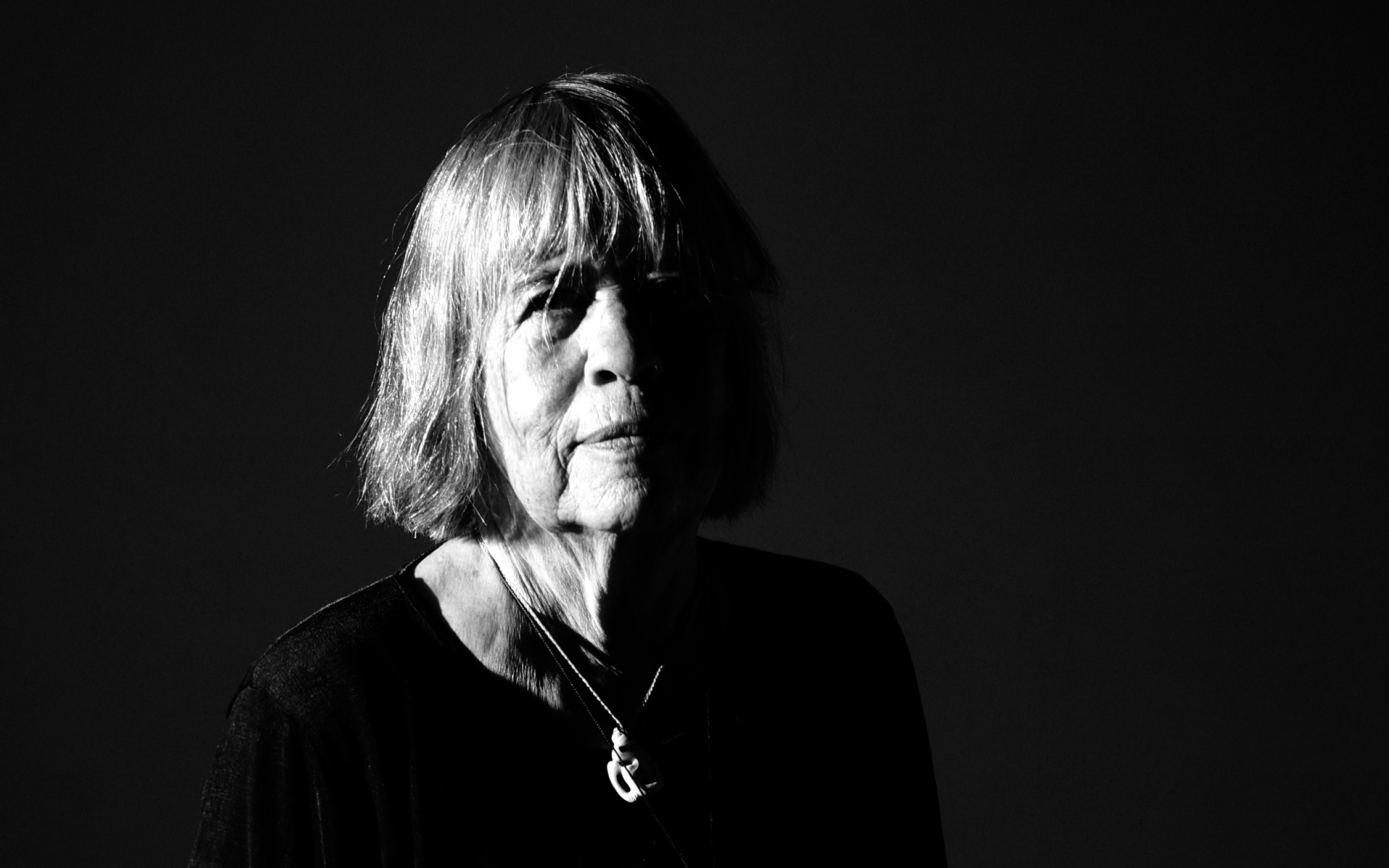
Dame Gillian Whitehead
“…her Three Pieces for Gail acknowledge Lodge’s wife, Gail Pittaway.”
The final work is by Lodge himself, completed with the assistance of his colleague Bjørn Arntsen, who also recorded the Aeon concert for this album. The rest is silence for string quartet begins with solo violin, with rising, open intervals, the other instruments gradually joining to create a slow, extended contrapuntal texture. Like all the works in the collection, it is expressive of deep feeling, at first peaceful and thoughtful, later rushing forwards and downwards in a rapid section as the music takes flight.
The piece is also typical of Lodge’s composerly interests, his love of construction and counterpoint, a sense of momentum and architecture and his delight in hidden musical meanings and secrets, with musical cryptograms for his own name and those of his family, friends and collaborators. It ends on a final sustained high E natural, all players joined in unison, its significance perhaps that of a composer finding his final resting place.
All string quartet works on the album are played with thoughtful care by the Jade String Quartet, who are joined for the Psathas work by pianist Jonathan Jung. Like those of Brown, Brinckman and Hall in the solo tributes, these fine performances maintain the spirit of the Aeon project, a strong sense of a musical community coming together to honour and farewell one of their beloved members.
Pittaway has contributed a message for the album, welcoming listeners, describing how the project developed during Lodge’s last months and thanking all involved, including the indefatigable Steve Garden of Rattle Records. Addressing the composers, she says “How delighted [Martin] would be, but also unsurprised by your generosity and creativity.”
AEON: Commemorating Martin Lodge Music by John Psathas, Eve de Castro-Robinson, Michael E Williams, Kenneth Young, Gillian Whitehead, Martin Lodge and Bjørn Arntsen. Performed by the Jade String Quartet, Jonathan Jung, Ashley Brown, Tessa Brinckman and Lara Hall. (Rattle) Purchase link here
Films of all the works performed at the Aeon concert are available on the SOUNZ YouTube channel