
NZSO Myths and Legends: the brooding charms of Finnish music
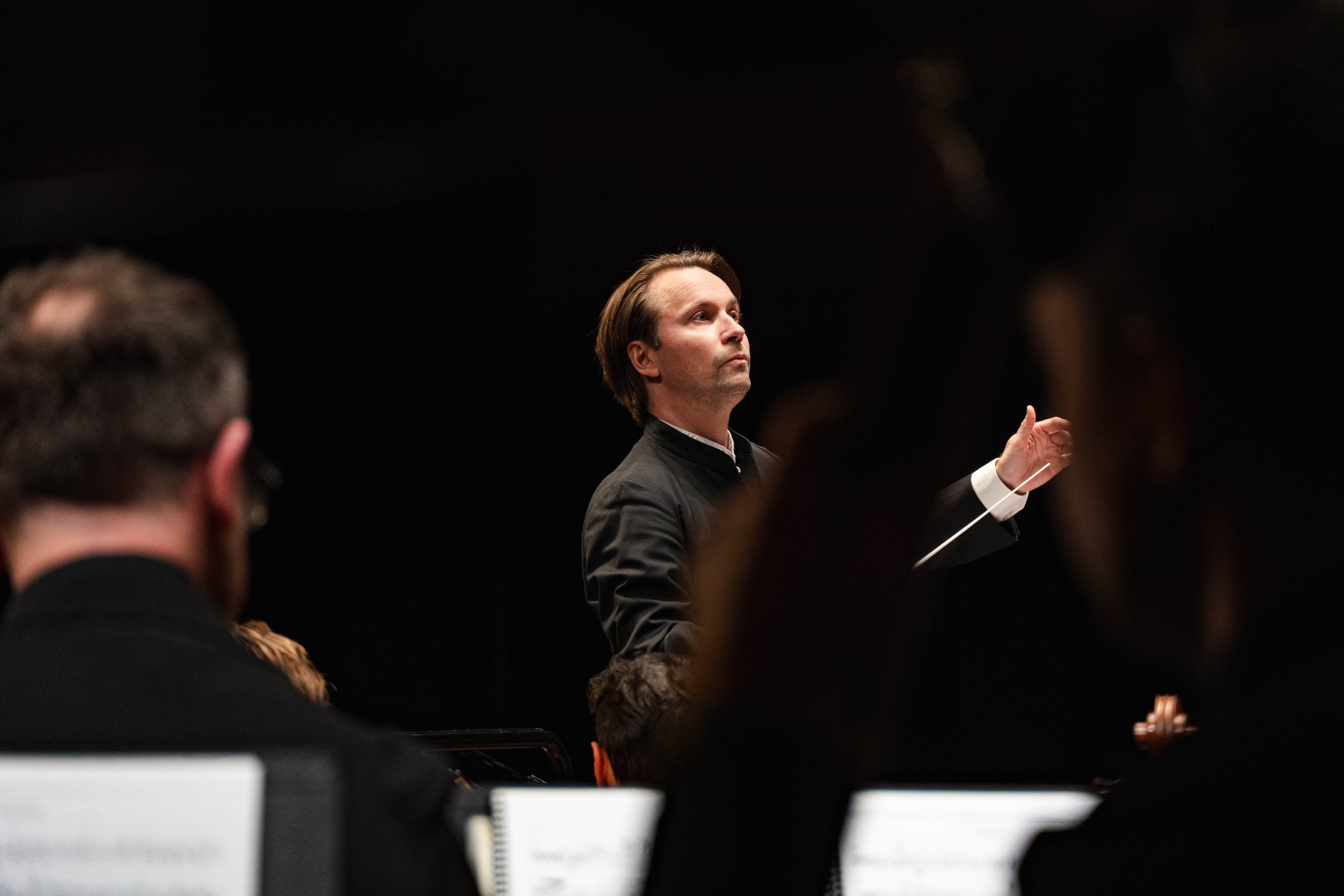
Conductor Pietari Inkinen returns to the NZSO for a five-concert tour
Photo credit: NZSO
When conductor Pietari Inkinen strode to the podium in Wellington a few days ago it was his first appearance in New Zealand for 11 years. Many in the audience remember Inkinen, Music Director of the New Zealand Symphony Orchestra from 2008 till 2015. He was just 27 when his appointment to that role was announced. He and the NZSO made a critical hit early in his tenure with their 2008 Naxos release of music by Sibelius, the Orchestra praised for its "top-notch playing" under his baton and Inkinen tagged as "one to watch". He and the Orchestra went on to record the complete cycle of Sibelius Symphonies for the label.
Now he and the NZSO are on tour this month with two frankly nostalgic programmes. Inkinen's memorable concert performance of Wagner's Die Walküre (The Valkyrie) with the NZSO in 2012 was perhaps one of his earliest experiences with Wagner, a composer now central to his identity on the podium. In 2023 he conquered a Wagnerian summit when he conducted The Ring of the Nibelung cycle at Bayreuth to critical acclaim, the New York Times noting that “the orchestra was, as Wagner intended, a character in its own right”. On the current NZSO tour he is joining forces with heldentenor Simon O'Neill for an all-Wagner programme.
But it was the NZSO’s all-Finnish programme that captured my interest. Called “Myths and Legends”, it began with a Sibelius symphonic poem, Pohjola’s Daughter, inspired by the Finnish national epic, the Kalevala, a collection of old poems passed down orally from one generation to the next. The short programmatic work is magical musical storytelling, telling of an encounter between a wise old shaman and the “daughter of the north”.
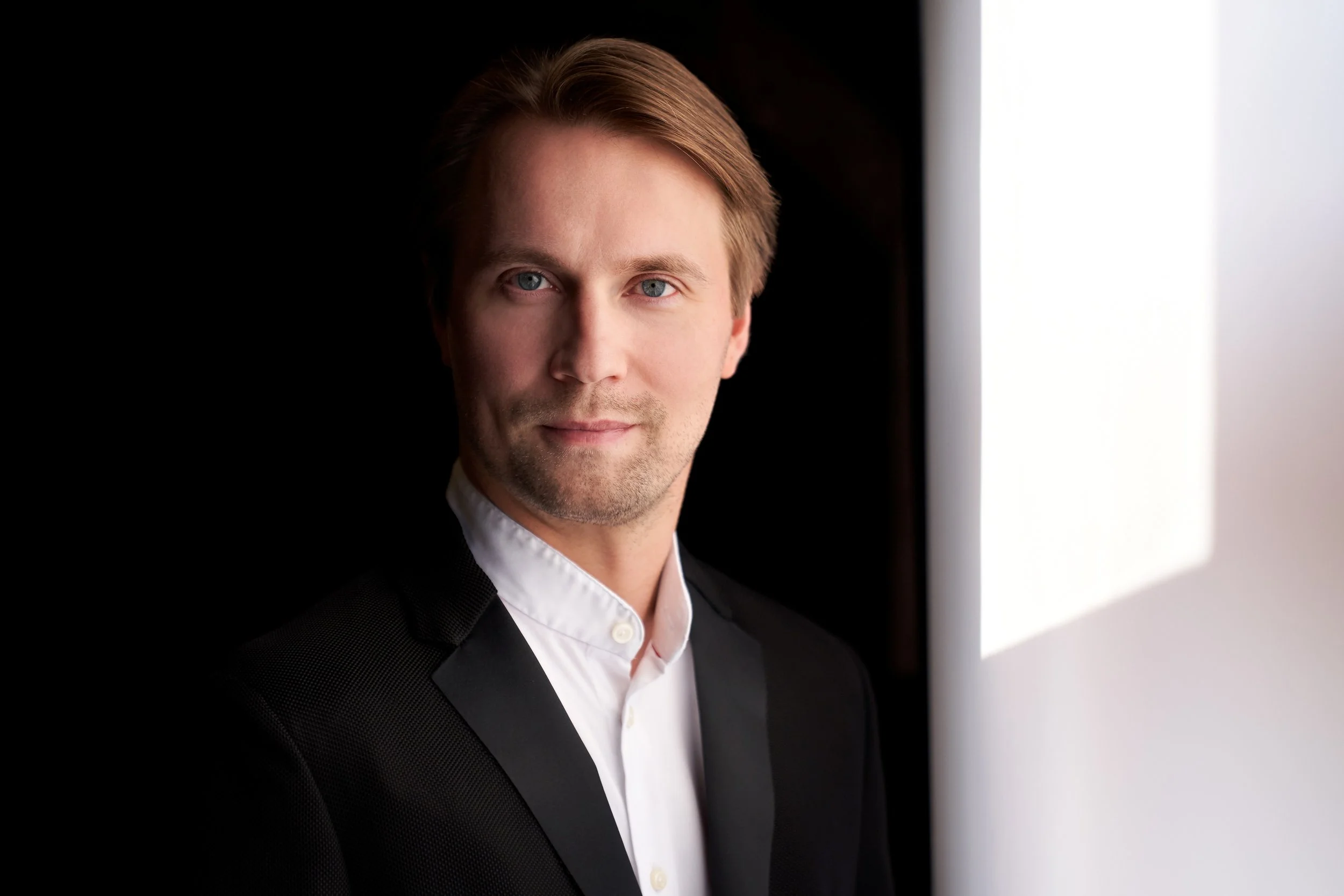
Finnish conductor Pietari Inkinen
“…capturing the romantic essence of this music from Finland.”
Photo supplied
Inkinen is marvellously sensitive to the brooding charms of this romantic music from his homeland. It begins in the depths, a moving solo cello recitative over rolling timpani with dark woodwinds, bassoons and bass clarinet. As conductor he also finds delicacy and subtlety in the contrasting moods when the “daughter” arrives as an apparition with gentle harp and lovely precise pizzicato strings. It all ends pianissimo, marked “morendo” (dying away) as low strings depict the shaman, alone and defeated.
The centrepiece of the programme brought us to contemporary Finland, with Violin Concerto No 2 by composer Magnus Lindberg, one of Finland’s most internationally recognised contemporary composers. Now in his 60’s, Lindberg is a member, with his composer colleague, the late Kaija Saariaho, and conductor-composer Esa Pekka Salonen, of the Finnish generation that moved on from the “Sibelius shadow” to embrace European modernism.
The orchestra is a major focus of Lindberg’s compositions and the romantic-sized forces of this Concerto reflects his enthusiasm for the symphonic sound. He said once “there’s no real equivalent for the mental and physical energy you get from an orchestra playing at its optimum level, and creating its own collective ‘sound image’.”
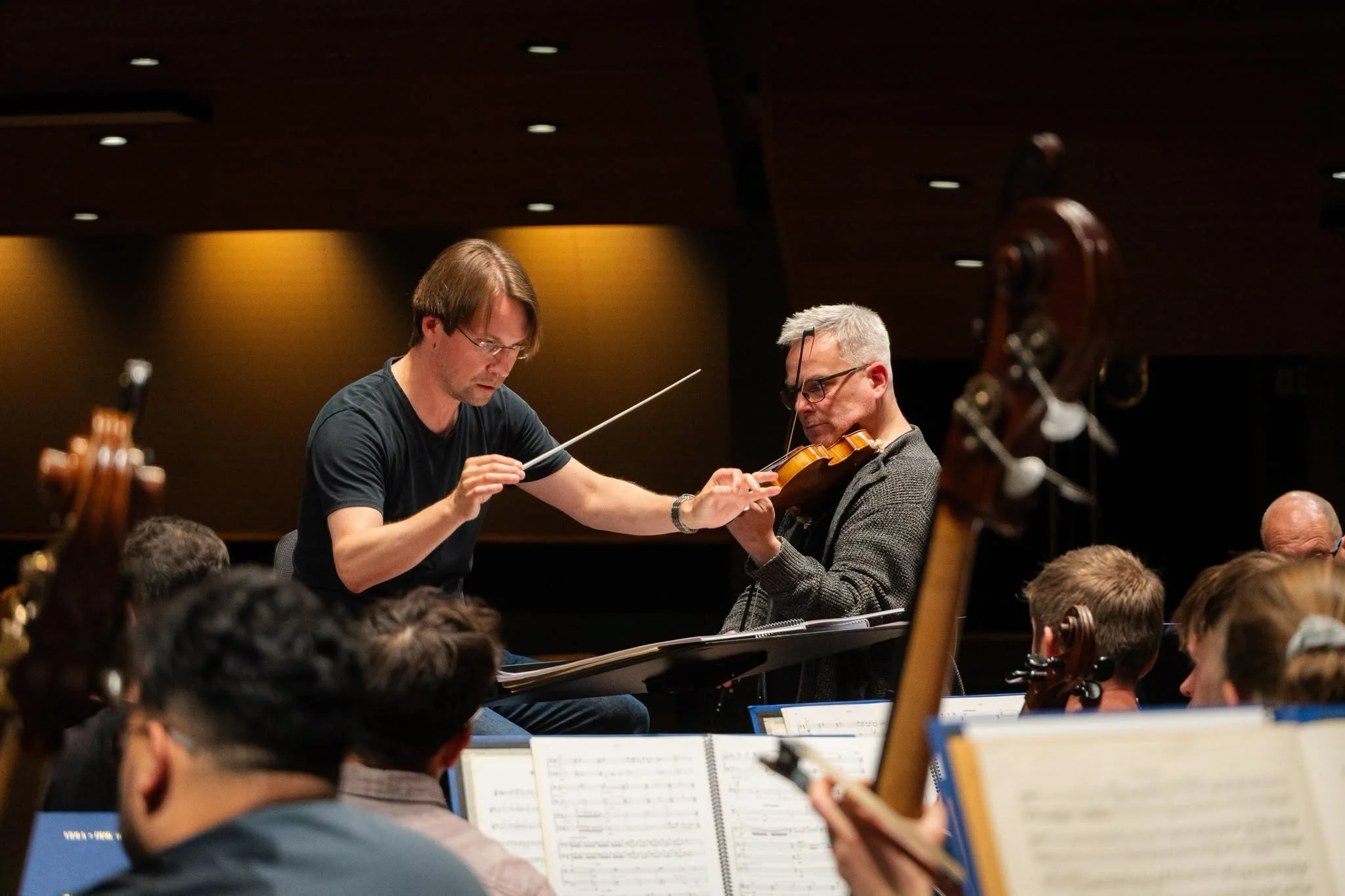
Conductor Pietari Inkinen and violinist Vesa-Matti Leppänen
…in rehearsal for performances of Magnus Lindberg’s Violin Concerto No. 2 with the NZSO.
Photo credit: NZSO
Soloist for the Violin Concerto is the NZSO’s Finnish Concertmaster, Vesa-Matti Leppänen, a violinist with a formidable technique and a lovely sound. He opens the concerto alone, laying out decisively the five-note motif that recurs throughout the work. Lindberg’s big orchestral palette wraps itself around him and, in the challenging Michael Fowler Centre acoustic, Leppänen’s playing is occasionally overwhelmed in the first movement by complex textures not quite transparent enough to allow the soloist to shine through.
Lindberg’s orchestral music is sometimes compared to the lush, Hollywood-influenced textures of Korngold, but this work seems to me to be some distance from a film soundtrack, closer perhaps to Sibelius in its expressive romanticism. As the pace picks up, Leppänen, supported by the sure-handed flexibility of Inkinen, soars above the well-managed orchestral exchanges, arriving eventually at an extended “cadenza”, which forms a central slow movement. This reveals Leppänen’s dazzling virtuosity, a solo display of rapid passage work, frequent double-stopping and a wide pitch range, supported by light orchestral accompaniment. Excitement builds as the whole orchestra joins in the action.
Eventually the soloist explores alone the widest range of his instrument in an extended solo passage both lyrical and frenetic that brings the audience to the edge of their seats. The passion builds, the orchestra rejoins the soloist and this central movement moves without a break into the third.
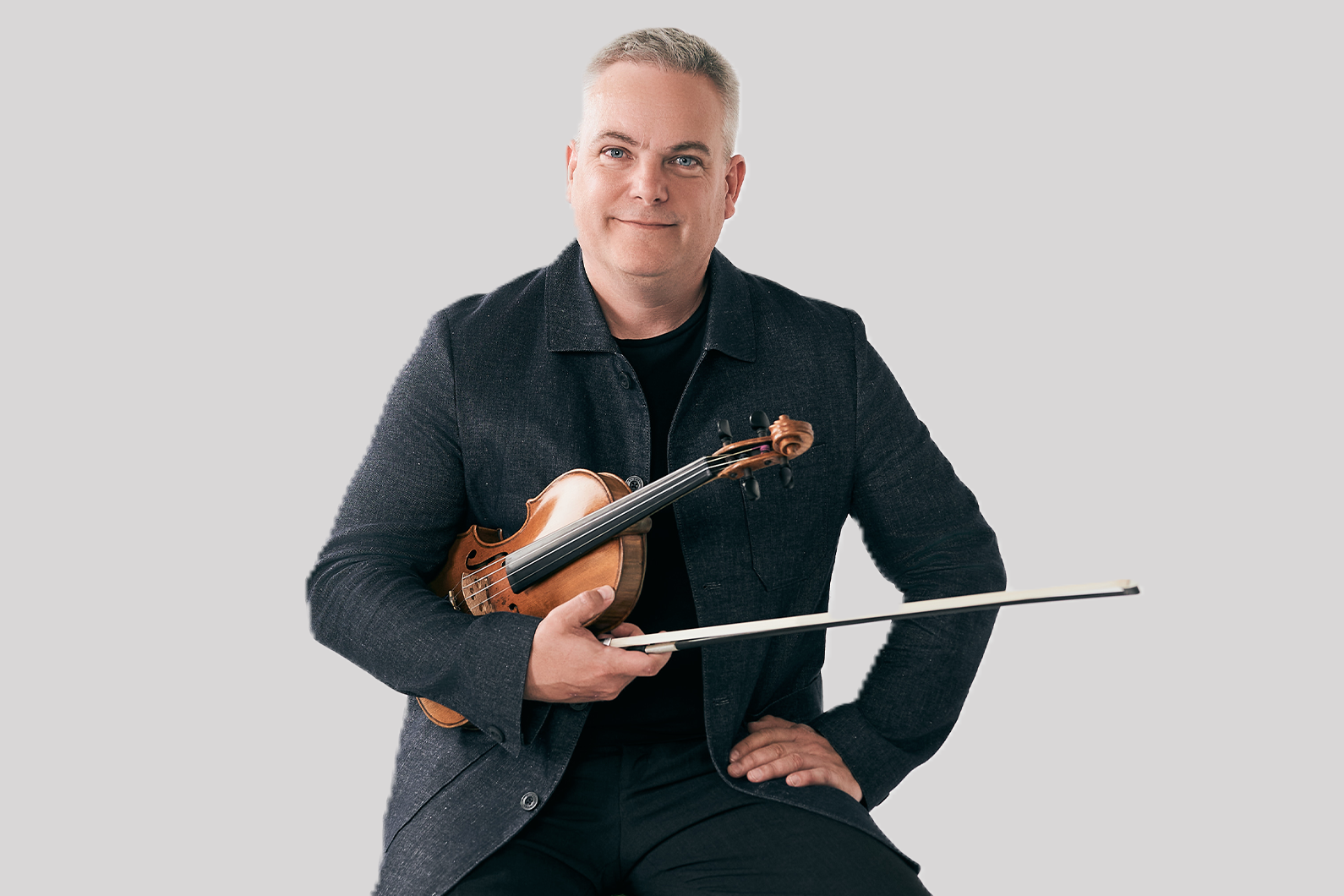
Violinist Vesa-Matti Leppänen
“…formidable technique and a lovely sound.”
Photo credit: NZSO
The final movement draws again on the opening motif, with more brilliant solo playing from Leppänen. Inkinen is splendidly in control of the colourful orchestral forces throughout, the concerto ending quite suddenly in sombre mood, fierce deep statements from gong, bass drum and timpani and three final telling notes from the soloist recalling the opening. Leppänen was brought back to the stage several times for a whole-hearted ovation from both the audience and his orchestral colleagues.
Sibelius’s Lemminkäinen Suite was featured in Inkinen's farewell concert in 2015 and the Orchestra has not performed it since. In a full-circle moment for the conductor, this programme ended with the Suite’s cycle of four symphonic poems, which, like Pohjola’s Daughter, are based on the model invented by Franz Liszt and inspired by the stories of the Kalevala.
Inkinen captures the romantic essence of this music, painting the orchestral colours with a graceful performance. Fully engaged, he draws terrific playing from the orchestra, particularly the expressive low strings in the first poem, “Lemminkäinen and the Maidens of the Island”. In the atmospheric second poem, richly layered and moving from beautiful serenity to ferocious climax, all sections shine – powerful unison strings, lovely solos from cello and woodwinds and big glowing sounds from the brass.
A highlight of this performance of the Suite comes in the famous third poem, “The Swan of Tuonela”. This music was originally composed as an overture for an opera Sibelius abandoned after an overwhelming experience of Wagner’s monumental dramatic conceptions at Bayreuth. Michael Austin, principal cor anglais, stands within the Orchestra to play the gorgeous extended swansong, against distant thunder from the bass drum and Andrew Joyce’s sympathetic cello solo. Austin’s playing and indeed the whole movement conjure the most poignant beauty I’ve ever heard in this poetic piece.

Michael Austin principal cor anglais
“…poignant beauty in Sibelius’s The Swan of Tuonela.”
Image credit: NZSO
The energy shifts for the final tone poem, “Lemminkäinen’s Return”, a fast, fiery and fitting conclusion to Inkinen’s own return to these shores. In splendid playing of pace and momentum the whole Orchestra is on its mettle, the music driving forward with galloping rhythms and a triumphant all-in ending. The audience expressed its enthusiasm for Inkinen’s return to the NZSO podium with delighted applause.
NZSO “Myths and Legends” Music from Finland by Sibelius and Lindberg, Pietari Inkinen (conductor), Vesa-Matti Leppänen (violin) Wellington 15 August, Auckland 22 August, Hamilton 23 August, 2026. Book tickets for Auckland and Hamilton here